
Skip to content
Twitter Facebook Instagram YouTube LinkedIn
The Quave Research Group
Skip to content
  • Home
  • Dr. Quave
    • Contact Info
    • Author Website
    • Professional Activities
    • Honors & Awards
    • Speaking Engagements
    • Consulting & Industry Contracts
  • People
    • Join the Group
  • Publications
    • Research Articles
    • Reviews, Op-Eds, Essays, Editorials & Commentaries
    • Patents
    • Books & Book Chapters
    • Scientific Presentations
  • Research
    • Research Principles
    • Current Research Projects
    • Funding Sources
    • Major Equipment
    • Past Research Projects
  • Photos/Videos
    • Videos
      • Medicinal Plant Videos
    • Fieldwork in Albania: People, Plants & Landscapes
    • Fieldwork in Italy: Plants
    • Fieldwork in Kosovo
    • Laboratory Research
    • Fieldwork in Italy: People, Plants & Landscapes
    • Fieldwork in Pantelleria, Italy
    • Fieldwork in Peru
    • Conferences and Colleagues
    • Travels
    • Teaching Moments
  • Support Our Research
  • Books
  • Podcast
  • Press
Home Posts tagged "natural products" (Page 3)

Tag: natural products

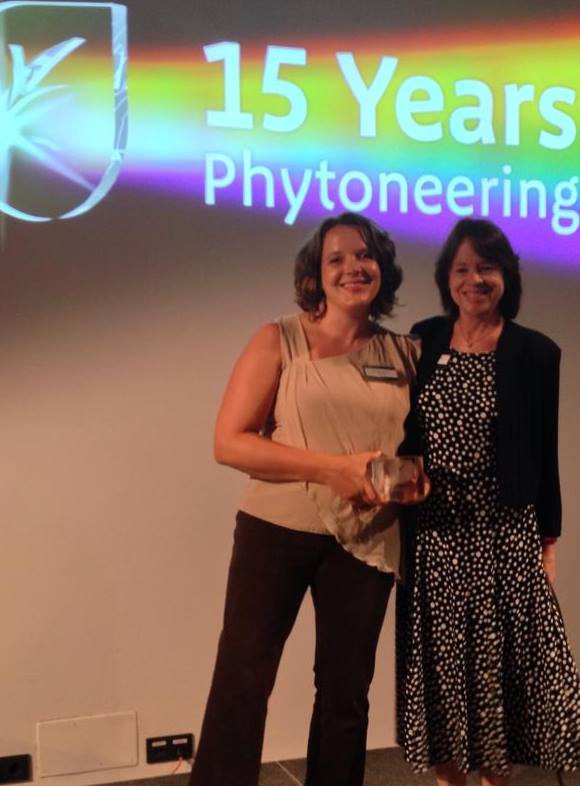
Quave wins global research prize in phytoneering
cquave August 2, 2014 August 2, 2014Quave Research News acne, biofilm, natural products, research

Dr. Quave recently traveled to Mallorca, Spain to accept one of twenty Phytoneering Awards from the Bionorica Global Research Initiative competition. The prize in the amount of 50,000 euros will be used to launch a new study in the Quave lab on medicinal plant natural product activity against acne biofilms.…

Continue reading

Welcoming a new member to the Quave Research Group!

cquave February 24, 2014 February 24, 2014Quave Research News drug discovery, medicinal plants, natural products, research

I am happy to announce that we have a new member on our lab team: Dr. James Lyles. Dr. Lyles joined the Quave Research Group as a post-doctoral fellow in February. Dr. Lyles comes to us from The North Carolina Arboretum Germplasm Repository (TNCAGR) where he developed a diverse natural…

Continue reading

123
  • Recent Posts

    • Newsletter Sheds Light on Medicines from Nature
    • New Book & Author Page!
    • New!! Major review paper on plant antibiotics published!
    • [Position Filled!] New Job Opening: Natural Products Chemist Postdoctoral Position!
  • Follow us on Instagram

    When the rains came, we dismounted and threw on ou When the rains came, we dismounted and threw on our rain gear. Nothing could dampen the high spirits of this group. Through the storm, we laughed, we danced, and then we celebrated the arrival of a beautiful double rainbow on the horizon. 🌈

Sometimes the best adventures are the ones you never planned.

#Mongolia #HorseTrekking #RainOrShine #NatureLovers #exploremore
    We met in elementary school and have been besties We met in elementary school and have been besties ever since! Born in the 70s, raised in the 80s and 90s! A friendship spread across 5 decades has sustained us through the best of times and the worst of times 🩷 Last night @thefewdayshereinc and I celebrated our summer 48ths with a night out of tacos and hilarious comedy show at the @laughingskulllounge in Atlanta! What a night! What a year! Here’s to many more to come 🤩
    The highlight of any of my field expeditions is di The highlight of any of my field expeditions is discovering the local flora! 

These are just a few of the beautiful wild plants we encountered while exploring the steppes of central Mongolia. Each collection was carefully documented and prepared as a herbarium voucher specimen, creating a permanent scientific record that can be used by researchers for years to come.

Every pressed plant tells a story, preserving not only the plant material, but also the data on where and when it grew and the ecosystem it called home.

Which one is your favorite? 🌼🌸🌿

#Wildflowers #Botany #Herbarium #Mongolia #PlantScience @emory.herbarium
    I didn’t expect Mongolia to reconnect me with a pi I didn’t expect Mongolia to reconnect me with a piece of my childhood.

I grew up riding horses but never had formal lessons. My parents taught me to ride bareback and in a western saddle, and most days it was simply a leisurely ride around the pasture. Somewhere along the way, life got busy and I stopped riding as often. That is, until my recent trip to Mongolia.

After a couple long days on Mongolian ponies, my prosthetic leg was causing painful cramps in my stump and knee pain. So I decided to try something different. I took off my leg once I was mounted, and handed it to one of our wranglers.

At first, I wasn’t sure it would work. But after a little practice finding my balance and engaging my core and thigh muscles, I was trotting across the steppes pain free. Before long, I was cantering with a huge smile on my face. 

This has helped me remember just how much I love being on horseback. Now I want to keep riding! 🐴❤️

I’d love to hear how other BKAs manage riding with or without your prosthetic beyond the trot. Any tips for posting, cantering, or galloping? Do you use an adaptive saddle or any other modifications? I’ve got the balance down for standing on my left leg and holding my seat by squeezing with my right thigh—but I can’t hold the position for very long before I get muscle fatigue. I’m excited to keep learning and would be grateful for your advice.

#Amputee #AdaptiveEquestrian #BKA #HorsebackRiding #prosthetic  @amputeecoalition
    When your bull has been a very naughty boy… 😏🐂 Ap When your bull has been a very naughty boy… 😏🐂

Apparently, he decided the grass was greener on the other side of the fence… and the neighboring bull disagreed.

The final tally:
✔️ One broken gate
✔️ One sore foot
✔️ One very expensive lesson in property lines

Thankfully, he’s on the mend. Meanwhile, we’ve got a gate to repair.

#RanchLife #BullProblems #FarmLife #FloridaRanch #CattleRanching
    Camp life is the best kind of life. Give me a ten Camp life is the best kind of life.

Give me a tent, a horse, and a pocket knife, and I’m about as happy as I can be. Add open countryside, good friends, curious plants, and a few yaks wandering by, and you’ve described a perfect day!

📸 View from camp
📸 Motorcycle herding down the mountain
📸 Our horses
📸 Ready to ride
📸 With @mariafadiman 
📸 Horse snuggles
📸 Food tent laughs
📸 Brushing teeth with miswak chewing stick (no water, no toothpaste needed!)
📸 Yaks keeping watch
📸 Getting booted up

#mongolia #camping @boojumexpeditions
    🌿 Time to get planty! 💚💚💚 #Mongolia #Botany #Herb 🌿 Time to get planty! 💚💚💚

#Mongolia #Botany #Herbarium @emory.herbarium #plantsmakemehappy 

📷 thanks @mariafadiman for the pics!
    Our first night on the Mongolian steppe was one we Our first night on the Mongolian steppe was one we won’t soon forget.

We arrived at our first ger camp, the traditional round felt homes that have sheltered Mongolia’s nomadic families for centuries.

As evening settled in, dark clouds began gathering on the horizon. Within minutes, the skies opened with torrential rain, hail, and powerful winds. Water seeped into our ger as the storm intensified, and several nearby gers were badly damaged by the flash flooding and hail.

Then, almost as quickly as it had begun, the storm passed. The clouds parted, the sun returned, and a brilliant double rainbow stretched across the sky.

#Mongolia #GerCamp #AdventureTravel #Steppe #HailStorm
    One of the highlights of our stop at the Naadam Fe One of the highlights of our stop at the Naadam Festival was watching Bökh, Mongolia’s traditional style of wrestling.

Bökh is one of Mongolia’s oldest sports and one of the “Three Manly Games” celebrated during Naadam, alongside horse racing and archery. There are no weight classes or time limits. A match ends when one wrestler causes any part of his opponent’s body, other than the feet or hands, to touch the ground.

One of the most recognizable features of Bökh is the wrestlers’ open-front jacket, called a zodog. According to a popular Mongolian legend, a woman once disguised herself as a man and defeated every wrestler in a tournament. Since then, wrestlers have worn open-chested jackets so there could be no doubt that competitors were male.

Before each match, the wrestlers perform the devekh, or “eagle dance,” spreading their arms like the wings of a great bird. Each wrestler is accompanied by a coach, known as a zasuul, who holds the wrestler’s hat during the match and helps officiate the contest. After the match, the defeated wrestler passes beneath the victor’s outstretched arm, or “wing,” as a sign of respect.

One of the champions even shared part of his prize with me: a handful of boortsog, delicious little fried dough bites that are a favorite festival treat. It was such a thoughtful gesture 😊

#Mongolia #Naadam #Bökh #CulturalHeritage #travelmoments
    En route to our first ger camp, where we’d spend o En route to our first ger camp, where we’d spend our first night on the Mongolian steppe, we stumbled upon a local Naadam Festival. It couldn’t have been a more perfect introduction to life in the Mongolian countryside!

Held each summer across Mongolia, Naadam is the country’s most celebrated cultural festival. Often called the “Three Manly Games,” it features horse racing, wrestling, and archery, traditions that date back centuries and reflect the skills essential to nomadic life. Today, Naadam remains a vibrant celebration of Mongolian identity, bringing communities together for friendly competition, music, food, and festivities.

It was such a joy to watch families gathered together, children preparing for the horse races, skilled archers taking aim, and riders in colorful traditional clothing filling the fields. We hadn’t planned this stop, but it became one of our many unforgettable travel moments on this trip!

This carousel captures just a glimpse of the festival atmosphere. Next up, I’ll share one of my favorite highlights of the day: the Naadam wrestling competition, followed by our memorable arrival at the ger camp.

#Naadam #Mongolia #CulturalHeritage #HorseCulture #adventuretravel
    Our Mongolian adventure began in Ulaanbaatar, wher Our Mongolian adventure began in Ulaanbaatar, where I was joined by National Geographic Explorer Dr. Maria Fadiman @mariafadiman and a wonderful group of women who had come for the horseback riding adventure.

Before heading into the countryside, we had our first introduction to traditional Mongolian cuisine. Meat plays a central role in the local diet, and it is common to eat horse alongside beef, mutton, and goat. Our welcome dinner featured a hearty horse meat hot pot with plenty of fresh vegetables, making for a memorable first meal in Mongolia.

The next morning, we loaded up for the long drive west to Arkhangai Province, leaving the capital behind as the landscapes gradually opened into the vast steppes we had come to explore. Naturally, our road trip snacks reflected the local cuisine too, with both beef jerky and horse jerky packed for the journey!

📷 1. Dr. Maria Fadiman and me in Ulaanbaatar
📷 2. The statue of Sükhbaatar in Sükhbaatar Square, the heart of Mongolia’s capital
📷 3. Our horse meat hot pot welcome dinner
📷 4. The group packed and ready to hit the road
📷 5/6. Mongolian road trip essentials: beef jerky and horse jerky

#Mongolia #AdventureTravel #Steppe #Botany #WomenWhoExplore
    Just back from an unforgettable horseback camping Just back from an unforgettable horseback camping expedition across the steppes of central Mongolia.

This was my first visit to this remarkable landscape of endless rolling hills, wide open skies, and extraordinary plant diversity. This pilot study focused on documenting and collecting plants for future research, combining scientific fieldwork with an immersive journey through one of the world’s most beautiful ecosystems.

A huge thank you to the team at Boojum Expeditions @boojumexpeditions for their outstanding logistical support and for making this adventure possible.

This reel is just a small glimpse of the journey. I can’t wait to share more stories, plants, landscapes, and behind-the-scenes moments from Mongolia over the coming weeks.

#Mongolia #Ethnobotany #FieldResearch #PlantScience #Steppe
    How old is the oldest tree that you've eaten from? How old is the oldest tree that you've eaten from?

During our travels through Puglia, my family visited an olive farm where we met trees believed to have been planted during the Roman Empire and continue to produce olives nearly 2,000 years later.

I came away with a new appreciation for why olive oil was once called liquid gold, how farmers protected it in the time of the Roman Empire, and why the peppery "burn" of a great extra virgin olive oil is a sign of its health-promoting chemistry.

In this week's Nature's Pharmacy, I'm taking you from monumental olive groves and underground Roman olive mills to the science behind polyphenols, oleocanthal, and what makes a truly exceptional extra virgin olive oil.

🌿 Read the full story here on Nature's Pharmacy.

#NaturesPharmacy #OliveOil #Puglia #Italy #MediterraneanDiet #Ethnobotany #PlantScience #NaturalProducts #FoodAsMedicine #TravelItaly #ExtraVirginOliveOil #RomanHistory
    What makes a wine biodynamic? During a recent tri What makes a wine biodynamic?

During a recent trip through Bordeaux, France, I had the opportunity to walk the vineyards of Clos Systey @clos.systey , a small family-owned estate in the heart of Saint-Émilion. I arrived expecting to learn about wine. I left with a much deeper appreciation for how some growers view the vineyard as a living ecosystem.

From the meaning of terroir to the differences between conventional, organic, and biodynamic viticulture, this latest Nature's Pharmacy explores the philosophy, science, and traditions behind one of the world's most fascinating approaches to agriculture.
Along the way, you'll discover what cow horns have to do with viticulture, how biodiversity shapes the vineyard, and why the family behind Clos Systey believes healthy wine begins with healthy soil.

🍷 Read the latest Nature's Pharmacy 

#Bordeaux #Biodynamic #Viticulture #SaintEmillion #WineTravel
    One of my favorite activities in France last month One of my favorite activities in France last month was a cooking lesson with cookbook author Sarala Terpstra @thebordeauxdiary. We prepared a beautiful vegetarian French meal together, but the biggest surprise of the night was dessert.

I'll confess... I was skeptical. Crème brûlée without cream or eggs?

One bite changed my mind. Silky custard, fragrant vanilla, and that irresistible crack of caramelized sugar. It was every bit as satisfying as the classic!

The best part was getting to torch the sugar topping! 🔥

I've shared the recipe, photos, and more from our evening together in my latest newsletter.

Have you ever been pleasantly surprised by a vegan version of a favorite dish?

#Bordeaux #FrenchCooking #CremeBrulee #PlantBased #TravelFood #FoodCulture #NaturesPharmacy #FrenchCuisine #CookingClass #CulinaryTravel
    What do centuries-old jars of dried herbs, mineral What do centuries-old jars of dried herbs, minerals, fungi, and handwritten labels have to teach us about the future of medicine?
Quite a lot, as it turns out!
One of the highlights of my travels through southern France was visiting Le Droguier at the University of Montpellier, home to one of Europe's oldest surviving collections of materia medica. 
In my latest Nature's Pharmacy article, I take you inside this remarkable museum and explore why collections like these are far more than relics of the past. They may help shape the medicines of the future.
🔗 Read the full story on Substack

#NaturesPharmacy #Ethnobotany #MateriaMedica #HistoryOfMedicine #MedicinalPlants #MuseumCollections #Herbarium #NaturalProducts #Pharmacognosy #ScienceCommunication #Montpellier #France #TravelWithPurpose
    🌍 Summer field season is in full swing! The past 🌍 Summer field season is in full swing!

The past several weeks have taken me from the canals of the Netherlands to a scientific meeting in France, ancient olive groves in southern Italy, and soon...the steppes of Mongolia.

Along the way I've:
🌿 Completed writing a major NIH grant renewal application to support the next 5 years of natural product discovery research in my lab.
🎓 Helped my daughter prepare for college in the Netherlands.
🧪 Shared new research at the Society of Ethnobotany meeting in Montpellier alongside members of the Quave Research Group.
🍷 Explored centuries-old traditions of organic and biodynamic viticulture in Bordeaux and Saint-Émilion.
🌱 Conducted field collections of medicinal plants across Basilicata and Puglia to replenish our laboratory's research collections.
🐎 Packed for a two-week expedition in Mongolia, where I'll be documenting wild medicinal plants and collecting herbarium specimens—mostly by horseback and tent camping.

I'll be completely off-grid for the next couple of weeks, but I've scheduled several posts sharing some of the fascinating things I've learned during this summer's travels—from Roman-era olive groves to  sustainable viticulture.

Before I leave for my next expedition, I wanted to share this summer update with you. I hope you'll enjoy following along while I'm away!

🔗 Read the full newsletter on Substack at Nature's Pharmacy.

#Ethnobotany #FieldResearch #NaturalProducts #MedicinalPlants #ScienceCommunication #PlantScience #Biodiversity #WomenInSTEM #Mongolia #Italy #France
    Embraced in the trunk of a 2,000 year old olive tr Embraced in the trunk of a 2,000 year old olive tree located in Fasano, Puglia. This tree, plus thousands of others, were planted in the time of the Roman Empire to produce liquid gold - olive oil to light lamps across the Mediterranean. This particular variety is Ogliarola Salentina 🫒 🇮🇹 In Puglia, there is an initiative to document monumental trees (>250 years old), hence the reason for the number placard on this one. I also had the opportunity to taste a peppery extra virgin olive oil pressed from the green fruit of these trees. It was like tasting a special slice of history! Incredible.
    Trulli in Alberobello, Puglia Trulli in Alberobello, Puglia
    What if a single tick bite could change the way yo What if a single tick bite could change the way you eat forever? In this episode, I sit down with allergy expert Gary Falcetano to explore alpha-gal syndrome, a strange and increasingly recognized condition triggered by tick bites that can lead to delayed allergic reactions to red meat and other mammalian products. We unpack the science behind this unusual immune response, why symptoms can emerge hours after eating, and why many cases go undiagnosed for years. From hidden sources of alpha-gal in foods and medications to the growing spread of tick species linked to the condition, this conversation reveals how a tiny bite can have surprisingly large consequences. We also share practical tips for prevention, diagnosis, and staying safe outdoors, whether you’re hiking in your backyard or heading out on your next adventure.
    Follow on Instagram
  • Categories

    • Books
    • Call for Papers
    • Conferences
    • Education
    • Etnobotanica.us News
    • PhytoTEK
    • Plant News
    • Public Lecture
    • Quave Research News
    • Uncategorized
  • What information do you seek?

    acne Albania antibiotic resistance Balkans biodiversity biofilm bioprospecting botany cancer Complementary & Alternative Medicine conservation drug discovery drug resistance education essential oil ethnobotany ethnopharmacology ethnozymology Europe food functional foods herbarium human health Italy Kosovo Macedonia medicinal food medicinal plants Mediterranean melanoma MRSA natural products plant extracts plant sciences poisonous plants quorum sensing research Romania Staphylococcus aureus students teaching traditional medicine Transylvania virulence wild food plants
Quave Research Group: Seeking new solutions from nature for the treatment of antibiotic resistant infections
Powered by Nirvana & WordPress.
Twitter Facebook Instagram YouTube LinkedIn